FD New Rules 2026: 1 October से 7 बड़े बदलाव
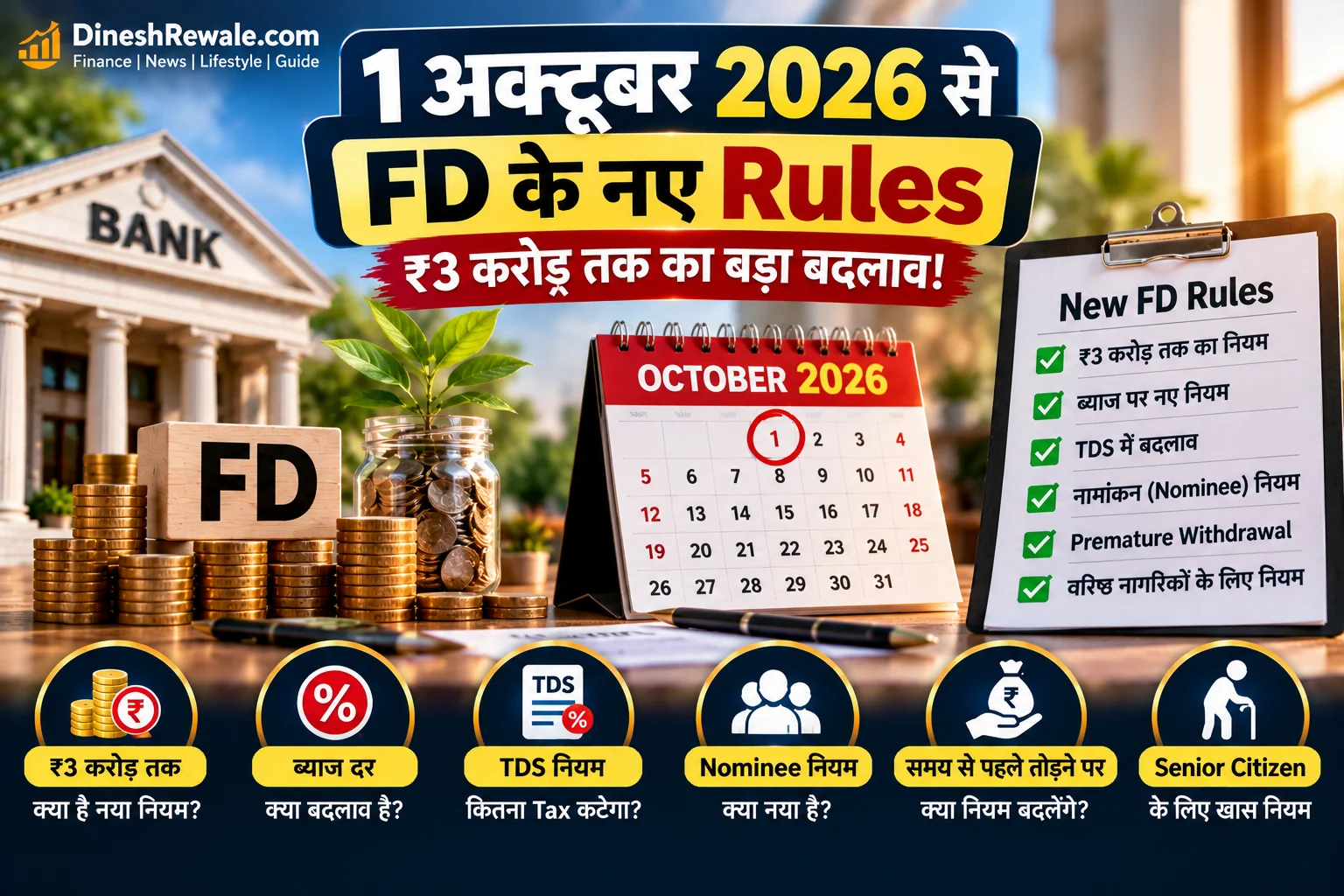
FD New Rules 2026 में सबसे बड़ा बदलाव हर छोटे FD investor के लिए नहीं है। 1 October 2026 से RBI का revised framework खास तौर पर bulk deposits यानी बड़े term deposits की pricing और disclosure को अधिक transparent बनाता है। सामान्य retail FD करने वाले अधिकांश customers के लिए इसका मतलब यह नहीं है कि उनकी FD rate अपने आप बदल गई है।
नए framework के तहत applicable banks को ₹3 करोड़ या उससे अधिक के bulk term deposits के लिए rate disclosure और uniform pricing rules follow करने होंगे। इसलिए अगर आप बड़ी FD करने या renew कराने वाले हैं, तो 1 October 2026 के बाद bank website पर published rate जरूर check करें।
In Short
- 1 October 2026 से revised bulk-deposit framework लागू है।
- Scheduled Commercial Banks और Small Finance Banks के लिए सामान्य bulk-deposit threshold ₹3 करोड़ या उससे अधिक की single rupee term deposit है।
- Bulk deposit interest rates को bank website पर प्रत्येक business day 10:00 AM तक disclose करना है, 10 मिनट की grace period के साथ अधिकतम 10:10 AM तक।
- एक जैसे amount/category और same date पर accepted comparable deposits के लिए branches के बीच मनमाना rate difference नहीं होना चाहिए, subject to applicable framework.
- Banks अलग bulk-deposit slabs के लिए अलग rates रख सकते हैं।
- यह नया framework booked existing FD को बीच tenure में automatically reprice नहीं करता।
- ₹3 करोड़ से कम की सामान्य retail FD पर इस bulk-deposit disclosure change का direct impact नहीं है।
1 October 2026 से FD के कौन से Rules बदले?
RBI ने Commercial Banks और Small Finance Banks के deposit-interest framework में amendment किया है। इसका मुख्य उद्देश्य bulk deposits की pricing को अधिक transparent और consistent बनाना है। Revised directions 1 October 2026 से effective हैं।
यह समझना बहुत जरूरी है कि news headlines में “FD rules changed” पढ़कर हर FD को affected मान लेना सही नहीं है। मुख्य बदलाव बड़े deposits के लिए है, खासकर ₹3 करोड़ और उससे अधिक की single rupee term deposits वाले cases में।
Bulk Deposit क्या होता है?
Bulk deposit एक बड़ा term deposit है जिसे RBI के applicable framework के तहत अलग category में रखा जाता है। Scheduled Commercial Banks, RRBs को छोड़कर, और Small Finance Banks के लिए सामान्य threshold ₹3 करोड़ और उससे अधिक की single rupee term deposit है। Regional Rural Banks और Local Area Banks के लिए applicable threshold अलग हो सकता है।
इसलिए सिर्फ “मेरे पास कुल ₹3 करोड़ हैं” देखकर classification तय न करें। Deposit का structure, bank category और single deposit amount भी देखना जरूरी है।
Bulk FD Rates अब Website पर कब दिखेंगी?
Revised framework का एक practical फायदा यह है कि bulk deposit rates को ज्यादा predictable तरीके से check किया जा सकता है। Applicable banks को bulk deposit interest rates website पर हर business day 10:00 AM तक disclose करनी हैं। RBI directions में 10 मिनट की grace period दी गई है, यानी disclosure latest 10:10 AM तक हो सकता है।
इसका फायदा बड़े depositors को यह होगा कि FD book करने से पहले published rate देखना आसान रहेगा। Bank branch पर जाकर केवल verbal quote पर निर्भर रहने के बजाय website पर disclosed rate को भी cross-check किया जा सकता है।
क्या Bank Branch अलग-अलग FD Rate दे सकती है?
Revised deposit framework का एक important principle यह है कि rates bank की disclosed schedule के अनुसार हों। Similar amount और same date पर accepted comparable deposits के लिए branches/customer level पर arbitrary differential pricing की गुंजाइश सीमित होती है।
हालांकि इसका मतलब यह नहीं कि bank सभी bulk deposits पर एक ही rate देगा। Bank अलग-अलग bulk-deposit slabs के लिए अलग rates तय कर सकता है। इसलिए ₹3 करोड़, ₹5 करोड़ और ₹10 करोड़ की deposit slabs के लिए published rates अलग हो सकती हैं, अगर bank की approved policy ऐसा provide करती है।
| Situation | 2026 में क्या समझें? | आपको क्या करना चाहिए? |
|---|---|---|
| ₹3 करोड़ से कम retail FD | Bulk-deposit rules का direct impact सामान्यतः नहीं | Bank की retail FD rate और terms देखें |
| ₹3 करोड़ या अधिक single FD | Bulk deposit framework relevant | Website पर same-day published rate check करें |
| New bulk FD | Current disclosed rate apply होगी | Booking confirmation और rate record रखें |
| Existing FD | Booked contractual rate सामान्यतः maturity तक जारी | Maturity/renewal पर नया rate देखें |
| Renewal | Renewal date की applicable rate relevant | Auto-renewal से पहले rate compare करें |
क्या Existing FD पर New Rules का असर पड़ेगा?
सिर्फ regulatory framework बदलने से पहले से booked FD की contracted interest rate को बीच में बदलना सामान्य नियम नहीं है। Existing FD की terms loan/deposit contract के अनुसार चलती हैं।
असल decision point maturity या renewal पर आता है। अगर आपकी बड़ी FD 1 October 2026 के बाद mature होती है और आप उसे renew कर रहे हैं, तो उस समय bank की latest applicable rate और bulk-deposit classification को check करना जरूरी है।
₹3 करोड़ FD करने वाले Investors के लिए क्या बदल गया?
High-value depositors के लिए transparency सबसे बड़ा practical change है। पहले भी banks अपनी rates publish करते थे, लेकिन revised framework bulk-deposit disclosures को अधिक specific बनाता है।
अगर आप ₹3 करोड़ या उससे अधिक की FD करना चाहते हैं, तो deposit book करने से पहले bank website पर उस business day की published bulk rate देखें। इसके बाद branch या relationship manager से मिलने वाली quotation को published schedule से compare करें।
क्या ₹3 करोड़ को कई छोटी FDs में बांटने से Bulk Rule खत्म हो जाएगा?
इसका answer deposit structure पर depend करता है। अगर आप एक ही bank में कई smaller FDs बनाते हैं, तो सिर्फ number of FD receipts देखकर conclusion नहीं निकालना चाहिए। RBI classification “single rupee term deposit” और applicable deposit framework पर आधारित है।
इसके अलावा deposit insurance की अलग limits होती हैं, इसलिए बड़े corpus को छोटे certificates में divide करने से कोई unlimited safety guarantee नहीं बनती। Deposit planning करते समय bank-level exposure और DICGC rules भी समझें।
DICGC ₹5 लाख Insurance को भी समझें
DICGC की deposit insurance framework eligible deposits पर ₹5 लाख तक cover देती है, जिसमें principal और interest दोनों शामिल होते हैं, subject to the applicable rules. यह FD का maximum insurance cover है, ₹5 लाख investment limit नहीं।
एक ही bank में same right and same capacity वाले deposits को insurance calculation में aggregate किया जा सकता है। इसलिए बड़े FD corpus के लिए केवल “FD ₹3 करोड़ से कम है” देखकर insurance को ignore करना सही नहीं है।
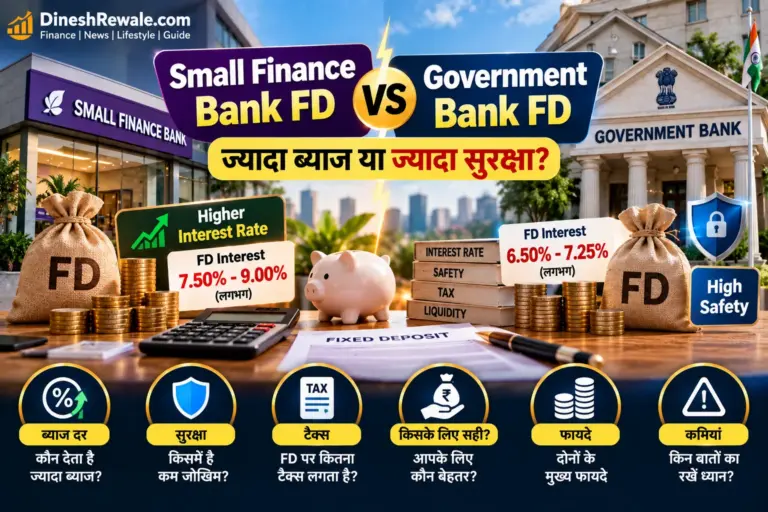
FD safety और small finance bank vs government bank comparison के लिए Small Finance Bank FD vs Government Bank FD guide पढ़ें। Deposit insurance की practical understanding वहां भी useful है।
FD Interest और Tax Rules भी Check करें
RBI का bulk-deposit framework मुख्य रूप से bank pricing/disclosure से जुड़ा है। FD interest की taxation अलग income-tax rules के तहत होती है। इसलिए “नई FD rule” को “नई tax-free FD” समझना सही नहीं है।
Income-tax Act, 2025 के Section 393 के अनुसार bank, co-operative bank या notified post-office deposits से मिलने वाले interest पर TDS threshold generally ₹1 लाख senior citizen के लिए और ₹50,000 अन्य व्यक्ति के लिए है, subject to applicable provisions. TDS कटना final tax liability के बराबर नहीं होता।
2026 में tax documentation के लिए bank interest certificate, Form 26AS और AIS को match करना useful है। Final tax आपकी total income और applicable tax regime पर depend करेगा।
Senior Citizens के लिए क्या ध्यान रखें?
Senior citizens अक्सर FD को regular income और capital preservation दोनों के लिए इस्तेमाल करते हैं। ऐसे investors को सिर्फ headline rate नहीं, बल्कि payout frequency, premature withdrawal, renewal option, bank exposure और tax impact भी देखना चाहिए।
अगर corpus ₹3 करोड़ से काफी नीचे है, तो bulk-deposit disclosure rule की तुलना में आपके लिए retail FD rate, senior-citizen rate, liquidity और tax planning ज्यादा relevant हो सकते हैं।
₹10 लाख, ₹25 लाख और ₹3 करोड़ के बीच फर्क
| FD Amount | Bulk Rule का direct relevance | मुख्य focus |
|---|---|---|
| ₹10 लाख | सामान्यतः नहीं | Retail rate, tax, liquidity |
| ₹25 लाख | सामान्यतः नहीं | Rate, bank diversification, DICGC |
| ₹3 करोड़ | हाँ | Published bulk rate, slab, bank exposure |
| ₹5 करोड़+ | हाँ | Slab pricing, liquidity, counterparty risk |
Large FD Book करने से पहले 10 Checks
- Bank की current website rate sheet देखें।
- Check करें कि deposit bulk category में आता है या नहीं।
- Same-day published rate का record रखें।
- Tenure और maturity date compare करें।
- Premature withdrawal rules पढ़ें।
- Auto-renewal instruction confirm करें।
- Interest payout monthly, quarterly या cumulative है, देखें।
- DICGC insurance coverage और total bank exposure समझें।
- FD interest का TDS और overall tax impact calculate करें।
- बहुत बड़े corpus में bank diversification और liquidity needs को consider करें।
Retail FD Investors को क्या करना चाहिए?
अगर आपकी FD ₹3 करोड़ से कम है, तो केवल 1 October 2026 की bulk-deposit news देखकर panic करने की जरूरत नहीं है। आपकी FD की interest rate bank की applicable retail rate और आपके deposit terms के अनुसार रहेगी।
फिर भी retail investors को rates compare करते समय senior-citizen benefit, premature withdrawal penalty, tax, nomination और auto-renewal जैसी conditions पढ़नी चाहिए।
FD Laddering क्यों Useful है?
Large corpus को एक ही maturity date में lock करने के बजाय अलग-अलग maturity dates वाली FDs बनाना FD laddering कहलाता है। इससे liquidity जरूरत के अनुसार manage की जा सकती है और सभी deposits को एक ही interest-rate cycle पर renew करने की dependency कम होती है।
₹10 लाख या ₹25 लाख जैसे corpus के लिए भी laddering useful हो सकती है। Related planning के लिए ₹10 लाख Investment Options और ₹25 लाख Investment Options guides देखें।
FAQs
1. क्या 1 October 2026 से सभी FD के rules बदल गए हैं?
नहीं। सबसे बड़ा बदलाव bulk deposits से जुड़ा है। सामान्य retail FD customers पर इसका direct impact नहीं है।
2. Bulk FD की limit कितनी है?
Scheduled Commercial Banks, Regional Rural Banks को छोड़कर, और Small Finance Banks में सामान्य bulk-deposit threshold single rupee term deposit के लिए ₹3 करोड़ या उससे अधिक है। कुछ अन्य bank categories में threshold अलग हो सकता है।
3. Bulk FD rate website पर कब publish होगी?
Applicable bulk-deposit rates को business days पर 10:00 AM तक website पर disclose करना है, 10 मिनट की grace period के साथ latest 10:10 AM तक।
4. क्या bank branch अलग rate दे सकती है?
Comparable deposits के लिए applicable disclosed framework के अनुसार uniform treatment जरूरी है। हालांकि bank अलग bulk slabs के लिए अलग rates रख सकता है।
5. क्या existing FD की interest rate 1 October 2026 से बदल जाएगी?
सिर्फ नए rule के कारण existing FD की contracted rate सामान्यतः बीच tenure में नहीं बदलती। Renewal पर current applicable rate देखनी चाहिए।
6. क्या ₹3 करोड़ से कम FD पर कोई नया tax rule आया है?
Bulk-deposit pricing rules और income-tax rules अलग matters हैं। ₹3 करोड़ threshold को tax exemption या tax-free FD threshold नहीं समझना चाहिए।
7. क्या FD interest पर TDS threshold 2026 में बदला है?
Income-tax Act, 2025 के applicable provision के तहत bank/co-operative bank/post-office deposit interest के लिए senior citizen threshold ₹1 लाख और अन्य व्यक्ति के लिए ₹50,000 है, subject to applicable conditions.
8. क्या DICGC insurance ₹3 करोड़ FD पर ₹3 करोड़ तक मिलता है?
नहीं। Eligible deposits के लिए DICGC cover maximum ₹5 लाख तक है, जिसमें applicable principal और interest शामिल होते हैं।
9. क्या अलग-अलग branches में FD करने से insurance limit बढ़ जाएगी?
एक ही bank में same right and same capacity वाले eligible deposits generally aggregate किए जाते हैं। सिर्फ branch बदलने से अलग ₹5 लाख cover नहीं बनता।
10. Large FD investor को सबसे पहले क्या check करना चाहिए?
Bank की published bulk rate, deposit slab, tenure, premature withdrawal rules, DICGC exposure और tax impact check करें।
निष्कर्ष
FD New Rules 2026 का मुख्य असर बड़े depositors पर है। 1 October 2026 से ₹3 करोड़ या उससे अधिक के applicable bulk term deposits के लिए rate disclosure और pricing transparency बढ़ी है। Banks को bulk rates business days पर website पर निर्धारित समय में publish करनी हैं और comparable deposits के लिए disclosed pricing framework follow करना है।
सामान्य retail FD investors के लिए यह कोई ऐसा बदलाव नहीं है जिससे उनकी existing FD अचानक बदल जाए। लेकिन बड़ी FD करने या renew कराने वालों को अब published bulk rate और applicable slab को ध्यान से check करना चाहिए। साथ ही DICGC insurance, tax, liquidity और bank diversification को decision का हिस्सा बनाना चाहिए।
Useful Related Articles
FD interest planning के लिए 8.5% FD Interest: पैसा लगाने से पहले 7 जरूरी बातें पढ़ें। Bank-wise FD safety comparison के लिए Small Finance Bank FD vs Government Bank FD देखें। Emergency corpus के लिए Emergency Fund guide useful है।
बड़े investment corpus की planning के लिए ₹10 लाख Investment Options, ₹25 लाख Investment Options और Asset Allocation by Age & Salary भी पढ़ सकते हैं।
उपयोगी संदर्भ
RBI के revised deposit-interest framework के लिए Reserve Bank of India की official website देखें। DICGC deposit insurance rules के लिए DICGC और FD interest TDS के लिए Income Tax Department की current guidance देखें।
लेखक के बारे में
Dinesh Rewale personal finance, banking और investment topics पर practical, reader-focused content लिखते हैं। उनका उद्देश्य complex financial rules को आसान भाषा में समझाना है ताकि readers अपने money decisions बेहतर तरीके से ले सकें।
Disclaimer
FD rates, RBI directions, DICGC coverage और tax provisions समय-समय पर बदल सकते हैं। यह article सामान्य educational information है, personalised financial या tax advice नहीं। बड़ी FD करने से पहले अपने bank की current rate sheet, applicable deposit terms, DICGC status और current tax provisions verify करें।