Retirement Planning कितनी उम्र में शुरू करनी चाहिए? 7 जरूरी बातें
Retirement Planning कितनी उम्र में शुरू करनी चाहिए? इसका practical जवाब है: नियमित income शुरू होते ही। Retirement कोई ऐसा goal नहीं है जिसे 50 की उम्र में अचानक शुरू किया जाए। जितना ज्यादा समय आपके पास होता है, उतना ज्यादा समय savings, investments और compounding को काम करने का मिलता है। SEBI भी retirement planning में जल्दी शुरुआत, पर्याप्त savings, diversification और regular review की जरूरत पर जोर देता है।
इसका मतलब यह नहीं है कि 25 साल की उम्र में आपको retirement के लिए अपनी पूरी income अलग रखनी चाहिए। शुरुआत छोटी हो सकती है। जरूरी बात यह है कि retirement को आपके बाकी financial goals की तरह planning list में जल्दी शामिल किया जाए और income बढ़ने के साथ contribution भी बढ़ाया जाए।
Retirement Planning कितनी उम्र में शुरू करें?
अगर आप 20s में हैं और पहली salary मिलनी शुरू हो गई है, तो retirement planning शुरू करने का अच्छा समय अभी है। 30s में हैं तो भी देर नहीं हुई है। 40s में हैं तो सबसे पहले retirement gap calculate करें और contribution को goal के हिसाब से बढ़ाएं। 50 के बाद focus केवल investment बढ़ाने पर नहीं, बल्कि corpus protection, liquidity, healthcare और retirement income planning पर भी होना चाहिए।
किसी एक उम्र को retirement planning की fixed या mandatory शुरुआत मानना सही नहीं है। आपके retirement goal, income, expenses, family responsibilities और expected retirement age के आधार पर planning timeline अलग हो सकती है। इसलिए “सही उम्र” से ज्यादा महत्वपूर्ण है कि आप planning को बिना अनावश्यक delay के शुरू करें।
उम्र के हिसाब से Retirement Planning का Practical Roadmap
| उम्र | मुख्य फोकस | Practical Action |
|---|---|---|
| 20–25 | Time और habit | छोटी राशि से शुरुआत, emergency fund और basic insurance की नींव |
| 26–30 | Contribution बढ़ाना | Salary बढ़ने पर retirement saving को step-up करें |
| 31–40 | Goals का balance | Retirement के साथ home, children और insurance needs को plan करें |
| 41–50 | Retirement gap | Existing corpus, future expenses और required contribution की समीक्षा करें |
| 51–60 | Protection और income | Asset allocation, liquidity, healthcare और retirement income strategy पर ध्यान दें |
| 60+ | Corpus utilisation | Withdrawal, annuity/pension income, taxes और cash-flow management पर focus करें |
ये age bands केवल planning framework हैं। हर व्यक्ति की income, family responsibilities, existing investments, retirement age और risk capacity अलग होती है।
20s में Retirement Planning क्यों शुरू करनी चाहिए?
20s में सबसे बड़ा फायदा आपकी savings की amount नहीं, बल्कि time horizon होता है। उदाहरण के लिए, केवल illustration के लिए 10% annualized return मानें तो ₹10,000 की monthly investment 25 साल में लगभग ₹1.33 करोड़ और 30 साल में लगभग ₹2.28 करोड़ तक पहुंच सकती है। यह guaranteed return या future result नहीं है; इसका उद्देश्य केवल compounding और time का प्रभाव समझाना है।
Early start का दूसरा फायदा यह है कि आपको शुरुआत में बहुत बड़ी monthly amount की जरूरत नहीं पड़ती। आपकी salary बढ़ने के साथ contribution बढ़ाया जा सकता है। इस approach को step-up investing कहा जाता है और यह long-term goals के लिए practical हो सकता है।
30 की उम्र में Retirement Planning शुरू करें तो क्या करें?
30s में salary, family responsibilities और financial goals तेजी से बदल सकते हैं। इस stage पर retirement को केवल एक SIP या एक pension product के रूप में देखना पर्याप्त नहीं है। आपको अपने पूरे financial plan को देखना चाहिए।
- आज के monthly expenses और retirement में expected expenses का अनुमान लगाएं।
- EPF, PPF, NPS, mutual funds और अन्य long-term assets की current value लिखें।
- High-interest debt को retirement investing के साथ compare करें।
- Emergency fund और adequate health insurance को priority दें।
- हर salary hike के साथ retirement contribution बढ़ाने का rule बनाएं।
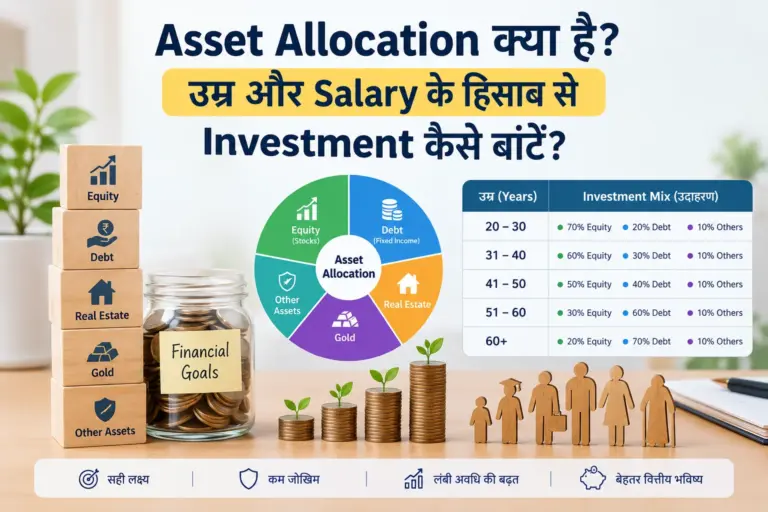
आपके existing portfolio में asset allocation कैसा है, यह भी महत्वपूर्ण है। आप उम्र और salary के हिसाब से Asset Allocation पर हमारी practical guide पढ़ सकते हैं।
40 की उम्र में शुरू करना देर है?
40s में शुरुआत भी की जा सकती है, लेकिन अब planning को ज्यादा structured रखना जरूरी है। इस stage पर सबसे जरूरी काम है कि “कभी शुरू करूंगा” को छोड़कर actual retirement number पर काम किया जाए। आपके पास retirement तक 15 से 20 साल या उससे ज्यादा समय हो सकता है, इसलिए goal को numbers में बदलना जरूरी है।
मान लीजिए आज आपका household expense ₹50,000 प्रति महीने है। केवल illustration के लिए 6% annual inflation मानने पर 25 साल बाद यही खर्च करीब ₹2.15 लाख प्रति महीने हो सकता है। वास्तविक inflation अलग हो सकती है, इसलिए retirement planning में केवल आज के खर्च को देखकर corpus तय करना सही नहीं है।
40s में retirement review करते समय यह देखें कि आपके existing assets और expected future contributions मिलकर target के कितने करीब पहुंचते हैं। Gap बड़ा हो तो contribution बढ़ाने, retirement age adjust करने या future expenses को realistic बनाने जैसे विकल्पों पर विचार किया जा सकता है।
50 की उम्र के बाद Retirement Planning कैसे करें?
50s में strategy का उद्देश्य केवल maximum return तलाशना नहीं होना चाहिए। अब capital protection, liquidity और predictable cash flow भी बहुत महत्वपूर्ण हो जाते हैं। Retirement के करीब पहुंचते समय market volatility का असर आपके corpus पर ज्यादा पड़ सकता है, खासकर तब जब आपको जल्द ही withdrawals शुरू करने हों।
इस stage पर अपने financial plan में emergency reserve, health-related costs, insurance coverage, debt payoff, nomination और succession planning को भी शामिल करें। Asset allocation को आपके retirement timeline और risk capacity के अनुसार review करना चाहिए, केवल उम्र देखकर mechanical बदलाव नहीं करना चाहिए।
Retirement Corpus कितना होना चाहिए?
इसका कोई एक fixed ₹ figure नहीं है। आपका required corpus आपकी expected retirement age, lifestyle, inflation, healthcare needs, housing situation, family responsibilities, pension income और existing assets पर depend करता है।
एक practical starting point यह है कि पहले retirement के समय expected monthly expense का estimate बनाएं। उसके बाद inflation को ध्यान में रखकर future expense निकालें और यह देखें कि EPF, NPS, PPF, mutual funds, deposits, rental income या अन्य sources से कितना support मिल सकता है। जो gap बचता है, वही आपके investable retirement goal को समझने का starting point बनता है।
Retirement के लिए कौन-कौन से Investment Options देख सकते हैं?
EPF और PPF
EPF और PPF retirement planning के relatively stable हिस्से के रूप में उपयोग किए जा सकते हैं, लेकिन केवल एक instrument पर निर्भर रहने से diversification और liquidity needs पूरी हों, यह जरूरी नहीं है। इन योजनाओं के rules, contribution limits या applicable interest rates समय के साथ बदल सकते हैं, इसलिए latest official information देखना जरूरी है।
NPS
National Pension System एक retirement-focused defined-contribution system है जिसे PFRDA regulate करता है। All Citizen Model के तहत eligible Indian citizens और OCI, लागू eligibility तथा KYC requirements के अधीन, 18 से 85 वर्ष की उम्र में NPS में voluntarily subscribe कर सकते हैं। NPS में investment market-linked है और investment choices तथा exit rules लागू regulations के अनुसार होते हैं। इसलिए इसे अपने overall retirement plan के एक हिस्से की तरह देखें, पूरी strategy का automatic replacement न मानें।
NPS की basic structure समझने के लिए NPS क्या है और Retirement के लिए कितना निवेश करें? वाली guide भी पढ़ सकते हैं। NPS और PPF की तुलना के लिए NPS vs PPF guide उपयोगी हो सकती है।
Mutual Funds और SIP
Long-term retirement goals में equity-oriented investments growth का हिस्सा बन सकते हैं, लेकिन market risk को समझना जरूरी है। SIP एक investing method है, guarantee नहीं। आपके goal horizon और risk capacity के हिसाब से asset allocation तय करना अधिक महत्वपूर्ण है।
Retirement Planning में केवल Investment ही क्यों पर्याप्त नहीं?
एक मजबूत retirement plan में investment के साथ protection भी शामिल होती है। Emergency fund अचानक आने वाले खर्चों के लिए cushion देता है। Health insurance retirement corpus पर medical expenses का दबाव कम कर सकता है। Life insurance की जरूरत भी family responsibilities और dependents के अनुसार review की जानी चाहिए।
आप emergency fund की planning के लिए Emergency Fund कितना होना चाहिए? guide देख सकते हैं। Financial freedom और long-term corpus thinking के लिए Financial Freedom के लिए Net Worth वाली guide भी पढ़ी जा सकती है।
हर साल Retirement Plan को Review क्यों करें?
Retirement plan एक बार बनाकर छोड़ देने वाली चीज नहीं है। Salary, expenses, family goals, inflation, investment values और retirement age बदल सकते हैं। इसलिए कम से कम साल में एक बार अपने retirement plan का review करें। बड़े life events जैसे marriage, child planning, home loan, job change या business transition के बाद भी review करना समझदारी है।
Review के दौरान केवल returns न देखें। यह भी देखें कि आपका contribution target के हिसाब से बढ़ रहा है या नहीं, debt manageable है या नहीं, emergency reserve पर्याप्त है या नहीं और retirement के करीब आने पर portfolio का risk profile अभी भी उचित है या नहीं।
एक Simple Retirement Planning Checklist
- Target retirement age तय करें।
- आज के household expenses लिखें।
- Future inflation को include करें।
- Existing retirement assets की current value निकालें।
- Expected pension या other income sources अलग करें।
- Retirement contribution के लिए monthly amount तय करें।
- हर साल contribution बढ़ाने का step-up rule रखें।
- Emergency fund और health insurance को अलग से मजबूत रखें।
- Asset allocation और risk को समय-समय पर review करें।
- Nomination और basic estate planning की भी समीक्षा करें।
अक्सर पूछे जाने वाले सवाल
क्या Retirement Planning 25 की उम्र में शुरू करनी चाहिए?
हां, 25 की उम्र के आसपास शुरुआत करना time horizon के कारण फायदेमंद हो सकता है। शुरुआत छोटी राशि से हो सकती है। सबसे महत्वपूर्ण बात consistency और future में contribution बढ़ाना है।
क्या 30 साल की उम्र में retirement planning शुरू करना सही है?
बिल्कुल। 30s retirement planning के लिए practical stage है। इस समय आप existing investments, future goals और retirement target को साथ में balance कर सकते हैं।
क्या 40 की उम्र में Retirement Planning शुरू करना बहुत देर है?
नहीं। लेकिन 40s में आपको retirement gap को ज्यादा seriously quantify करना चाहिए। Contribution, asset allocation और retirement timeline की review जरूरी हो सकती है।
क्या NPS अकेले retirement के लिए पर्याप्त है?
हर व्यक्ति के लिए एक ही answer नहीं है। NPS retirement plan का महत्वपूर्ण हिस्सा हो सकता है, लेकिन EPF, PPF, mutual funds, deposits, insurance और other income sources को भी overall plan में देखा जा सकता है।
Retirement Planning में सबसे बड़ी गलती क्या होती है?
सबसे common practical mistake retirement goal को बहुत दूर का मानकर टालते रहना है। दूसरी गलती केवल investment return पर focus करना और inflation, healthcare, liquidity तथा debt को ignore करना है।
निष्कर्ष
Retirement Planning कितनी उम्र में शुरू करनी चाहिए? सबसे practical answer यही है कि आपकी earning life की शुरुआत में ही planning शुरू कर देना बेहतर है। 20s में हैं तो time का फायदा उठाइए, 30s में हैं तो contribution को structured बनाइए, 40s में हैं तो retirement gap को numbers में समझिए और 50s में हैं तो corpus protection तथा income planning पर ज्यादा ध्यान दीजिए।
Retirement planning का लक्ष्य केवल बड़ा corpus बनाना नहीं है। असली goal यह है कि working life खत्म होने के बाद आपकी जरूरतें, healthcare और lifestyle एक ऐसे financial system से support हों जिसे आपने पहले से तैयार किया हो। छोटी शुरुआत, regular investing और periodic review मिलकर इस process को ज्यादा manageable बना सकते हैं।
आधिकारिक संदर्भ
- SEBI Investor: Plan Early for Retirement
- PFRDA: NPS All Citizen Model
- PFRDA: NPS Exit & Withdrawal FAQs
Author: Dinesh Rewale
Dinesh Rewale finance, business, real estate और personal finance topics पर reader-focused content तैयार करते हैं। उनका focus practical financial information को सरल भाषा में समझाने और readers को informed decisions के लिए useful context देने पर है।
Facebook: https://www.facebook.com/profile.php?id=61574859401427
Disclaimer: यह लेख केवल सामान्य सूचनात्मक और शैक्षिक उद्देश्य के लिए है। यह व्यक्तिगत investment, tax या retirement advice नहीं है। Market-linked investments में risk होता है और returns की guarantee नहीं होती। Inflation, tax rules, NPS/EPF/PPF rules और अन्य regulations समय के साथ बदल सकते हैं। किसी investment या retirement decision से पहले latest official documents और अपनी व्यक्तिगत financial स्थिति की समीक्षा करें। जरूरत होने पर SEBI-registered investment adviser से personalised सलाह लें।