Options Trading for Beginners: 7 Proven Safe Steps
मान लीजिए आपके पास ₹15,000 हैं। आपने YouTube पर देखा कि किसी trader ने Nifty option में ₹2,000 लगाकर कुछ ही घंटों में ₹5,000 बना लिए। अब आपको लगता है कि कम capital से options trading शुरू करना आसान होगा। लेकिन पहली ही तेज market move में option premium 30% से 50% गिर गया, stop-loss नहीं लगाया और दिन के अंत तक account में बड़ी कमी दिखी। यही वह जगह है जहाँ beginner को समझना चाहिए कि Options Trading for Beginners का मतलब सिर्फ Call या Put खरीदना सीखना नहीं है। असली काम risk, position size, expiry, premium, volatility और discipline को समझना है.
2026 में Nifty 50 और Bank Nifty index options में retail participation अभी भी बहुत बड़ी है, लेकिन SEBI की अगस्त 2026 की studies एक uncomfortable reality दिखाती हैं: individual traders के बीच losses अभी भी dominant हैं और options segment नुकसान का सबसे बड़ा हिस्सा बना हुआ है। इसलिए इस guide में मैं आपको “जल्दी पैसा कमाने” का shortcut नहीं दूँगा। इसके बजाय हम देखेंगे कि छोटे capital के साथ शुरुआत कैसे की जाए, कितना पैसा अलग रखा जाए, Nifty और Bank Nifty में क्या फर्क है, एक lot की गणना कैसे होती है, option premium क्यों बदलता है, stop-loss और position sizing कैसे तय करें, और किन mistakes से आपका छोटा trading account जल्दी खत्म हो सकता है.
महत्वपूर्ण: यह educational guide है, buy/sell recommendation नहीं। Options trading high-risk activity है और किसी trade में profit की guarantee नहीं होती.
Quick Summary: शुरुआत से पहले 7 बातें याद रखें
- Options में कम entry cost का मतलब कम risk नहीं है. Premium छोटा दिख सकता है, लेकिन percentage loss बहुत तेज हो सकता है.
- सितंबर 2026 के लिए NSE index contract sizes में Nifty = 65 units और Bank Nifty = 30 units हैं; exchange contract specifications समय-समय पर बदल सकती हैं.
- Beginner के लिए पहले option buying की mechanics समझना बेहतर है; naked option selling से शुरुआत करना उपयुक्त नहीं है.
- एक trade में total trading capital का छोटा हिस्सा risk पर रखें. उदाहरण के तौर पर ₹20,000 account पर ₹400-₹600 से अधिक planned loss न रखना एक conservative learning framework हो सकता है.
- Expiry के करीब premium बहुत तेजी से बदल सकता है. Direction सही होने के बावजूद trade loss में जा सकता है.
- एक दिन में कई impulsive trades करने के बजाय 1-2 well-planned setups पर focus करें.
- हर trade से पहले entry, stop-loss, target और maximum acceptable loss लिखें. बाद में decision बदलना अक्सर नुकसान बढ़ाता है.

Options Trading for Beginners: सबसे पहले समझें कि Option है क्या?
Option एक derivative contract है जिसकी value किसी underlying asset, यहाँ Nifty 50 या Bank Nifty, से जुड़ी होती है। Beginner के लिए दो शब्द सबसे जरूरी हैं: Call और Put.
- Call Option: आम तौर पर तब खरीदा जाता है जब आपको लगता है कि underlying ऊपर जा सकता है.
- Put Option: आम तौर पर तब खरीदा जाता है जब आपको लगता है कि underlying नीचे जा सकता है.
लेकिन सिर्फ direction जानना काफी नहीं। Option buyer premium देता है। इस premium पर underlying price के अलावा time to expiry, implied volatility और market expectations का असर पड़ता है। इसलिए Nifty ऊपर जाने के बावजूद आपका Call loss में हो सकता है अगर move छोटा हो, expiry बहुत पास हो या volatility गिर जाए.
Strike Price, Premium और Expiry को आसान उदाहरण से समझें
मान लीजिए hypothetical example में Nifty 25,000 के आसपास है और आपने 25,100 Call ₹100 premium पर खरीदा। मौजूदा contract lot size 65 मानें, तो premium outlay होगा:
₹100 × 65 = ₹6,500
अगर premium ₹130 हो जाता है, तो gross gain होगा:
(₹130 – ₹100) × 65 = ₹1,950
लेकिन अगर premium ₹70 हो जाए:
(₹70 – ₹100) × 65 = -₹1,950
ध्यान दीजिए, underlying में सिर्फ छोटा सा बदलाव नहीं बल्कि option premium में percentage move आपके P&L को ज्यादा तेजी से बदल सकता है। ऊपर के numbers केवल calculation समझाने के लिए हैं, live market quote नहीं.
2026 में Nifty और Bank Nifty का Lot Size कितना है?
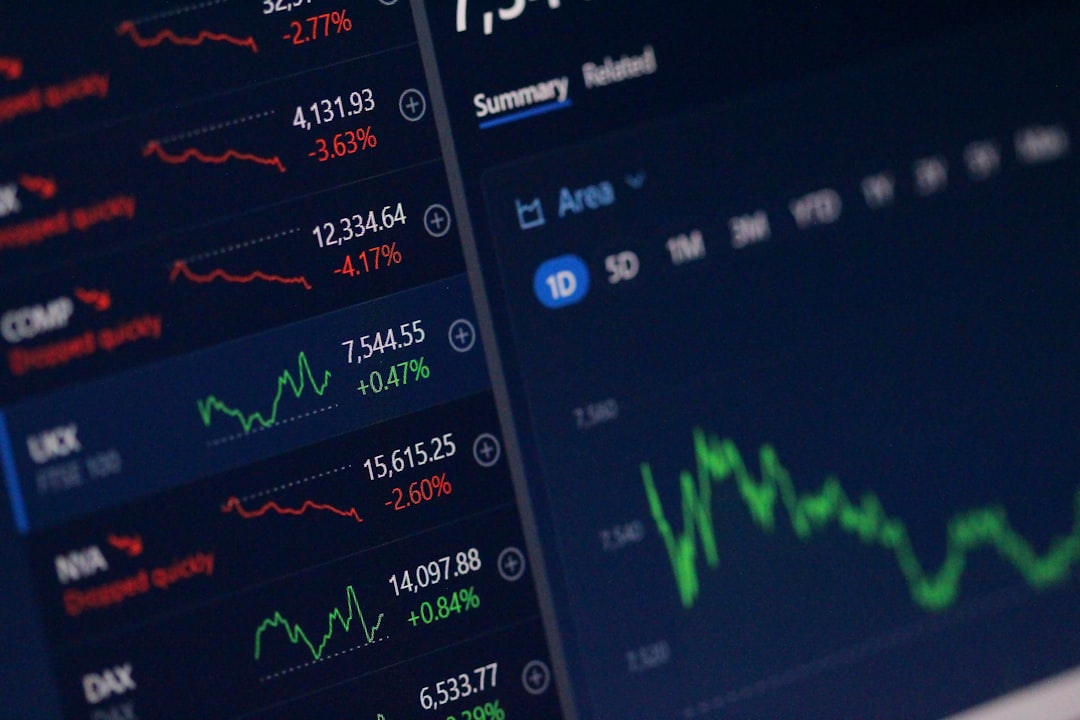
NSE के current contract information और संबंधित 2025 revision circular के अनुसार revised index lots में Nifty 50 का lot size 65 और Nifty Bank का 30 है। ये contract specifications समय के साथ revise हो सकती हैं, इसलिए trade लेने से पहले NSE पर latest contract details check करना जरूरी है। NSE Contract Information
| Index | Current Lot Size* | यदि Premium ₹100 हो | Premium ₹20 move होने पर 1 lot P&L |
|---|---|---|---|
| Nifty 50 | 65 | ₹6,500 | ₹1,300 |
| Bank Nifty | 30 | ₹3,000 | ₹600 |
*Illustrative calculations only. Lot sizes can be revised by the exchange and a specific expiry can carry its own applicable contract size. Always verify the live contract specification before placing an order.
एक common beginner mistake है कि वह सिर्फ premium देखकर सोचता है, “यह option तो ₹80 का है, मैं आसानी से खरीद सकता हूँ।” सही calculation है premium × lot size. यहीं से actual capital requirement समझ में आती है.
Options Trading for Beginners: कम Capital में कितने पैसे से शुरुआत करें?
“कम capital” की कोई universal संख्या नहीं है। आपके लिए सही amount वह है जिसे खोने पर household budget, emergency fund, EMI या SIP प्रभावित न हो। Options को savings replacement की तरह नहीं देखना चाहिए.
मान लीजिए आपके पास कुल ₹1,00,000 liquid savings हैं। इसका पूरा पैसा trading account में डालना समझदारी नहीं है। Emergency fund, essential expenses और long-term investments अलग रखने के बाद जो amount पूरी तरह risk capital है, उसी का छोटा हिस्सा learning phase में इस्तेमाल करें.
₹20,000 Account का एक Conservative Learning Model
| Item | Illustrative Amount |
|---|---|
| Total trading capital | ₹20,000 |
| Planned risk per trade | ₹400 |
| Maximum daily loss limit | ₹800 |
| Maximum trades per day | 1-2 |
| Learning period | कम से कम 30-50 recorded trades |
यह किसी regulator की prescribed limit नहीं है। यह सिर्फ एक disciplined framework का उदाहरण है। आपका actual risk profile अलग हो सकता है.
Position Size कैसे तय करें?
एक सरल formula इस्तेमाल कर सकते हैं:
Position Size = Maximum Rupee Risk ÷ (Entry Premium – Stop-loss Premium)
उदाहरण: आप अधिकतम ₹400 risk करना चाहते हैं। किसी option में entry ₹100 है और stop-loss ₹80 है, यानी per-unit risk ₹20 है। Nifty lot 65 होने पर one-lot risk:
₹20 × 65 = ₹1,300
इसका मतलब ₹20,000 account में यह trade आपके planned ₹400 risk से बहुत बड़ा है। यहाँ beginner को trade force नहीं करना चाहिए। यही risk management की practical value है: हर available trade आपके capital के लिए suitable नहीं होता.
Nifty या Bank Nifty: Beginner के लिए क्या चुनना चाहिए?
यह सवाल अक्सर पूछा जाता है, लेकिन answer सिर्फ “कौन ज्यादा तेजी से चलता है?” नहीं है। आपके लिए सही index वह है जिसकी volatility और contract size आपके risk budget के भीतर हो.
| Factor | Nifty 50 | Bank Nifty |
|---|---|---|
| Current lot size* | 65 | 30 |
| Underlying exposure style | Broad large-cap index | Banking-sector focused index |
| Beginner concern | Premium moves can still be fast | Fast sector-driven moves can be sharp |
| Best use in learning | Structured setups, slower decision-making | Only after you understand volatility and execution |
मेरी practical preference beginner learning में यह होगी कि पहले एक ही index को अच्छी तरह observe करें। रोज Nifty, Bank Nifty, stocks, crypto और commodity सब एक साथ देखने से screen time बढ़ता है, skill नहीं.
Option Buying में असली खेल: सिर्फ Direction नहीं
अगर Nifty 100 points ऊपर चला गया तो यह जरूरी नहीं कि आपका Call 100 points बढ़ जाए। Option premium की movement कई factors से प्रभावित होती है.
1. Delta
Delta broadly बताता है कि underlying में 1-point move पर option premium कितना बदल सकता है, हालांकि actual move fixed नहीं होता। ATM options का delta directional exposure समझने के लिए useful है.
2. Theta
Theta time decay को represent करता है। Expiry पास आने पर option buyer के लिए समय एक enemy बन सकता है, खासकर जब underlying अपेक्षित speed से move न करे। यही कारण है कि “थोड़ा wait करते हैं” वाला decision expensive हो सकता है.
3. Implied Volatility
IV market की expected volatility से जुड़ा pricing component है। IV बढ़ने पर option premiums बढ़ सकते हैं और IV घटने पर premiums contract कर सकते हैं। इसलिए event के बाद market सही direction में होने के बावजूद premium गिर सकता है.
4. Gamma
Gamma delta में change की sensitivity को represent करता है। Expiry के करीब, खासकर near-the-money options में gamma risk अधिक noticeable हो सकता है। Beginner को इसे theoretical term की तरह याद करने के बजाय इसका practical effect समझना चाहिए: premium movement अचानक तेज हो सकती है.
Expiry Day Trading में Beginners को सबसे ज्यादा सावधान क्यों रहना चाहिए?
Short-dated options का attraction यही है कि छोटे premium में बड़ा percentage move मिल सकता है। लेकिन यही trap भी है। Expiry के आसपास theta, gamma और IV changes premium को बहुत तेजी से हिला सकते हैं.
2026 की SEBI research के अनुसार individual trading activity अभी भी heavily short-term index options की तरफ concentrated है। इसलिए beginner के लिए expiry-day excitement को skill समझ लेना खतरनाक हो सकता है। पहले non-expiry sessions में observation और paper trading का अनुभव build करना ज्यादा practical है.
Simple Intraday Setup: Beginner इसे कैसे Plan कर सकता है?
यह recommendation नहीं, बल्कि process example है। एक setup को चार steps में सोचें.
Step 1: Market Context
Opening के कुछ मिनटों में सिर्फ price chase न करें। Previous day high/low, opening range और broad trend note करें.
Step 2: One Trigger
एक clear trigger तय करें, जैसे range breakout के बाद sustained move। हर candle को signal मानना जरूरी नहीं.
Step 3: Predefined Stop-loss
Entry से पहले तय करें कि setup गलत कहाँ साबित होगा। Premium-based stop-loss और underlying-based invalidation दोनों को अलग-अलग समझें.
Step 4: Exit Plan
Target hit, setup invalid या predefined time exit, जो rule पहले trigger हो उसे respect करें। “थोड़ा और देख लेते हैं” अक्सर trading plan को तोड़ देता है.

एक पूरा Hypothetical Trade Calculation
मान लीजिए एक illustrative Nifty Call premium ₹120 है और lot size 65 है.
| Calculation | Value |
|---|---|
| Entry premium | ₹120 |
| Lot size | 65 |
| Premium outlay | ₹7,800 |
| Stop-loss premium | ₹105 |
| Maximum gross loss at SL | ₹975 |
| Target premium | ₹150 |
| Potential gross gain | ₹1,950 |
यहाँ headline RR लगभग 1:2 है, लेकिन brokerage, statutory charges, slippage और execution differences के बाद actual result बदल सकता है। साथ ही stop-loss exact price पर execute होगा ही, यह भी guarantee नहीं है, खासकर fast market में.
Beginners के लिए Options Trading में 8 बड़ी गलतियाँ
- पूरे capital से एक trade लेना: एक गलत move learning को account wipe-out में बदल सकता है.
- Expiry के दिन सिर्फ excitement में trade करना: speed को opportunity समझना common trap है.
- Stop-loss move करना: loss छोटा दिखाने के लिए SL नीचे खिसकाते रहना risk बढ़ाता है.
- Loss recover करने के लिए revenge trading: पहला loss strategy से था या emotion से, पहले यह समझें.
- Telegram/WhatsApp tips पर blind entry: आपका capital किसी और के conviction का insurance नहीं है.
- Premium को “cheap” समझना: ₹20 option cheap दिख सकता है, लेकिन percentage risk बहुत बड़ा हो सकता है.
- Charges ignore करना: छोटे capital में repeated entries से friction returns को काफी कम कर सकता है.
- Journal न रखना: बिना journal के आप जीत और skill को confuse कर सकते हैं.
SEBI के Data से Beginner को क्या सीखना चाहिए?
SEBI ने 20 अगस्त 2026 को FY25-FY26 के लिए individual traders की profitability और trading behaviour पर studies प्रकाशित कीं। उपलब्ध findings के अनुसार करीब 91% individual traders net loss में रहे और cumulative net losses ₹2 लाख करोड़ से अधिक रहे; options segment ने aggregate losses में सबसे बड़ा योगदान दिया। Study यह भी दिखाती है कि higher trading intensity का संबंध higher loss rates से था और पिछले दो वर्षों में लगातार loss करने वालों में आगे भी losses की persistence देखी गई.
इसका सबसे useful lesson यह है कि problem सिर्फ “गलत stock/index prediction” नहीं है। Overtrading, high frequency, short-term bias और poor risk control भी outcome को बिगाड़ते हैं। 2026 की study को देखकर beginner को डरना नहीं चाहिए, लेकिन overconfidence भी नहीं करना चाहिए. SEBI FY25-FY26 Profitability Study
Internal Reading: पहले ये guides भी देखें
Groww vs Kotak Neo vs Zerodha: 2026 में कौन सा Demat Account सबसे अच्छा है?
Best Personal Finance Apps in India 2026: कौन से tools practical हैं?
Trading account चुनते समय सिर्फ “lowest brokerage” मत देखें। Execution quality, order types, charges, interface और support भी आपके experience पर असर डालते हैं। Broker selection को detail में compare करने के लिए Groww vs Kotak Neo vs Zerodha comparison भी पढ़ें। अगर आप trading capital और long-term investments को अलग रखना चाहते हैं, तो ₹1 Lakh Salary Investment Plan का goal-based allocation framework भी उपयोगी है।
Expert Insight: छोटे Capital में सबसे बड़ा Edge क्या है?
मेरे हिसाब से beginner का असली edge कोई magical indicator नहीं है। वह है survival. अगर ₹20,000 का learner account छह महीने तक disciplined रहता है, 100 trades का clean journal बनाता है और अपनी biggest mistakes पहचानता है, तो वह उस व्यक्ति से कहीं बेहतर position में है जो पहले हफ्ते में ₹10,000 profit करके confidence में overtrade करने लगता है.
आपका पहला target “daily ₹1,000” नहीं होना चाहिए। पहला target होना चाहिए: मैं बिना plan के trade नहीं लूँगा। इसके बाद दूसरा: मैं एक trade में predefined amount से ज्यादा नहीं खोऊँगा। जब process repeatable हो जाए, तब strategy evaluation का अर्थ बनता है.
Options Trading for Beginners: 7-Step Action Plan
- Capital अलग करें: emergency fund और essential expenses से अलग risk capital तय करें.
- एक index चुनें: शुरुआत में Nifty या Bank Nifty में से एक को observe करें.
- Paper trade करें: कम से कम 20-30 sessions तक entry, SL और exit record करें.
- One-lot logic समझें: premium × lot size की calculation हर trade से पहले करें.
- Risk cap तय करें: daily और per-trade maximum loss लिखकर रखें.
- Journal बनाएं: setup, reason, entry, exit, mistake और emotion record करें.
- Scale धीरे करें: consistent data के बिना lot size बढ़ाना “confidence” नहीं, additional risk है.
30-Day Beginner Routine
| Days | Focus |
|---|---|
| 1-7 | Option basics, strike, premium, expiry, order types |
| 8-15 | One index observation + paper setups |
| 16-23 | Risk rules + journal + review |
| 24-30 | Smallest practical size, only if rules are consistently followed |
Pros, Cons और Hidden Risks
Pros
- Lower upfront premium than buying the underlying outright: इससे relatively small capital से market exposure मिलता है.
- Defined premium loss for a simple long option: option buyer का maximum premium loss theoretically upfront visible होता है, हालांकि transaction costs अलग हैं.
- Flexible strategies: options का उपयोग speculation, hedging और structured strategies के लिए किया जा सकता है.
Cons
- Time decay: buyer के खिलाफ काम कर सकता है.
- Volatility sensitivity: IV changes premium को तेजी से बदल सकते हैं.
- High leverage effect: छोटा premium बड़ा percentage P&L दे सकता है, दोनों directions में.
Hidden Risks जिन्हें Beginner अक्सर देख नहीं पाता
सबसे बड़ा hidden risk अक्सर market नहीं, position size होता है। दूसरा execution risk है। तीसरा behavioral risk: एक win के बाद size बढ़ाना और दो losses के बाद revenge trade लेना। SEBI की research इसी broader behaviour को गंभीरता से highlight करती है.
क्या ₹5,000 या ₹10,000 से Options Trading शुरू कर सकते हैं?
Technically कुछ option premiums इतने छोटे हो सकते हैं कि एक lot का outlay ₹5,000 या उसके आसपास दिखे, लेकिन इसका मतलब यह नहीं कि ₹5,000 account के लिए trade sensible है। अगर एक normal premium fluctuation ही capital का बड़ा प्रतिशत बदल दे, तो risk concentration बहुत high हो जाती है.
इसलिए “minimum capital” पूछने से बेहतर सवाल है: मेरे account का कितना हिस्सा मैं एक trade में खोने के लिए तैयार हूँ? अगर आपका answer clear नहीं है, तो live trading से पहले paper trading बेहतर next step है.
क्या Options Selling Beginner के लिए सही है?
Option writing में premium collect करने का आकर्षण होता है, लेकिन naked selling में adverse move पर losses बहुत बड़े हो सकते हैं और margin requirements भी meaningful हो सकती हैं। इसे “safe income strategy” समझना गलत है। SEBI की investor-risk material derivatives को leverage और substantial loss potential वाले instruments के रूप में explain करती है. SEBI Investor: Derivatives Risks
Beginner के लिए पहले option buyer के risk profile, payoff और Greeks की basics समझना अधिक sensible learning route है। Advanced defined-risk spreads और hedged structures की study उसके बाद की जा सकती है.
FAQs: Options Trading for Beginners
1. Options Trading for Beginners के लिए minimum capital कितना होना चाहिए?
कोई official universal minimum capital नहीं है। Practical answer आपके broker, option premium, lot size और risk limit पर निर्भर करता है। छोटा account होने पर भी trade लिया जा सकता है, लेकिन अगर one-lot risk आपके per-trade risk budget से बहुत बड़ा है, तो live trade avoid करना बेहतर है.
2. Nifty या Bank Nifty में कौन beginner के लिए बेहतर है?
एक fixed winner नहीं है। Nifty 50 broad-market exposure देता है, जबकि Bank Nifty banking-sector movement से अधिक influenced हो सकता है। Beginner के लिए सबसे useful approach है एक index चुनना, उसके price behaviour को observe करना और उसी के setups सीखना.
3. क्या Option Buying में पूरा पैसा डूब सकता है?
हाँ। अगर purchased option expiry तक worthless हो जाता है, तो paid premium का पूरा amount खो सकता है, transaction costs अलग। SEBI भी option holders के इस risk को explicitly describe करता है.
4. क्या ₹1,000 रोज कमाना realistic target है?
इसे guaranteed income target की तरह देखना risky है। ₹1,000/day के target के पीछे कई beginners overtrade करते हैं और setup की quality गिरा देते हैं। Better target है capital preservation, controlled risk और repeatable process.
5. Stop-loss premium पर लगाएँ या Nifty level पर?
दोनों approaches के advantages हैं। Premium-based stop-loss simple है, जबकि underlying-based invalidation setup logic को reflect कर सकता है। लेकिन fast market में execution slippage दोनों में possible है। Rule जो भी हो, entry से पहले define करें.
6. Expiry day पर trade करना चाहिए?
Beginner के लिए generally avoid या extremely cautious approach बेहतर है, क्योंकि short-dated options में theta और gamma effects तेज हो सकते हैं। पहले normal sessions में execution discipline develop करें.
7. सबसे common mistake क्या है?
बहुत से beginners एक साथ तीन mistakes करते हैं: ज्यादा capital, ज्यादा trades और कम discipline। अगर आप सिर्फ position sizing और daily loss limit को seriously लागू कर लें, तो कई avoidable mistakes वहीं खत्म हो जाती हैं.
Final words
Options Trading for Beginners को “कम पैसे से बड़ा profit” वाली activity के रूप में देखना सबसे dangerous starting point है। Options की असली ताकत flexibility और capital efficiency में है, लेकिन यही leverage-like effect losses को भी तेज कर सकता है.
2026 में exchange lot sizes और market participation लगातार evolve हो रहे हैं, जबकि SEBI के latest FY25-FY26 data से साफ है कि retail options trading में risk अभी भी वास्तविक है। इसलिए smart beginner वह नहीं है जो सबसे ज्यादा trades लेता है। Smart beginner वह है जो समझता है कि कब trade नहीं लेना है.
पहले market सीखिए। फिर risk सीखिए। उसके बाद strategy चुनिए। और सबसे अंत में size बढ़ाइए. यही order आपके trading journey को ज्यादा sustainable बना सकता है.
Disclaimer
यह लेख केवल educational और informational purpose के लिए है। यह investment advice, financial planning, trading signal या buy/sell recommendation नहीं है। Options और other derivatives में substantial loss का risk होता है। कोई भी trade लेने से पहले अपनी financial situation, risk capacity, applicable charges, contract specifications और regulatory disclosures को स्वयं verify करें। विशेष रूप से Nifty और Bank Nifty lot size, expiry, trading rules और margin requirements बदल सकते हैं, इसलिए live order से पहले NSE और अपने broker की latest information जरूर देखें।