SEMICON India 2026: भारत के Chip Ecosystem में बड़ा मोड़
Semicon 2.0 के implementation के दौरान सरकार ने September 2026 में बताया कि करीब ₹1 लाख करोड़ के investment commitments मिले हैं और ecosystem में करीब 1 लाख नई employment opportunities की उम्मीद है। Semiconductor push अब सिर्फ fabs तक सीमित नहीं है; design, equipment, advanced packaging, R&D और skilled talent पर भी जोर है।
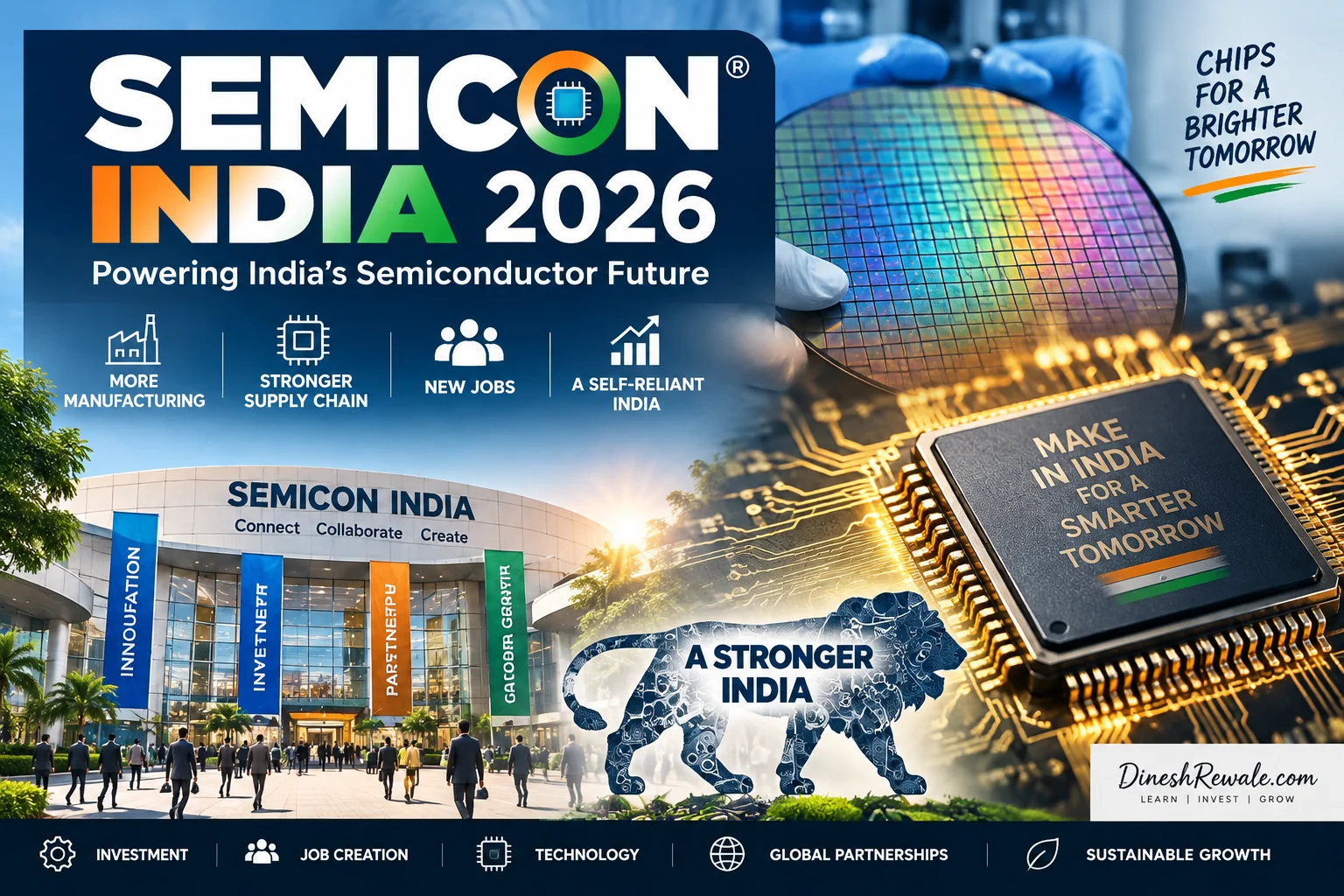
17 सितंबर 2026 को नई दिल्ली के यशोभूमि में शुरू हुआ SEMICON India 2026 भारत की semiconductor journey के लिए एक अहम पड़ाव बन गया है। इस बार चर्चा सिर्फ chip manufacturing तक सीमित नहीं है। पूरा focus design, fabrication, advanced packaging, equipment, materials, research, skilled talent और finished electronic systems तक एक मजबूत ecosystem तैयार करने पर है।
इस आयोजन के बीच Tata Electronics की 16 partnerships/MoUs और Micron की Sanand facility से DRAM और NAND products की global shipments जैसी developments ने semiconductor sector को फिर से केंद्र में ला दिया है। ऐसे में समझना जरूरी है कि SEMICON India 2026 में क्या हो रहा है और इसका भारत के technology तथा manufacturing ecosystem पर क्या असर पड़ सकता है।
SEMICON India 2026 क्या है और इस बार खास क्यों है?
SEMICON India 2026 का पांचवां संस्करण 17 से 19 सितंबर 2026 तक Yashobhoomi, New Delhi में आयोजित किया जा रहा है। इसका theme है Silicon to Systems: Building the Ecosystem। भारत सरकार के मुताबिक इस edition में 600 से ज्यादा exhibitors, करीब 300 international companies, 150 से ज्यादा speakers और 40 से अधिक देशों की participation है। Exhibition करीब 15,000 square metres में फैली है।
आयोजन का focus Sand to Silicon to Systems value chain पर है। यानी semiconductor materials और manufacturing से लेकर chip design, packaging, electronics और final systems तक की पूरी chain को एक साथ दिखाया जा रहा है।
इसका महत्व इसलिए भी बढ़ जाता है क्योंकि semiconductor industry में सिर्फ एक fab लगाना पर्याप्त नहीं होता। Chip बनाने के लिए specialised chemicals, gases, equipment, design tools, packaging technology, testing infrastructure और skilled engineers की भी जरूरत होती है।
Tata Electronics की 16 बड़ी partnerships क्यों चर्चा में हैं?
SEMICON India 2026 के दौरान Tata Electronics के CEO Randhir Thakur ने बताया है कि कंपनी semiconductor supply chain से जुड़ी कंपनियों के साथ 16 MoUs sign करने वाली है। इन partnerships का उद्देश्य अलग-अलग stages पर ecosystem को मजबूत करना बताया गया है।
रिपोर्टों के मुताबिक संभावित partners में Europe की Nexperia और BESI तथा Japan की JSR, Fujifilm, Sumitomo और Sojitz जैसी कंपनियां शामिल हैं। इससे संकेत मिलता है कि semiconductor manufacturing के साथ-साथ materials, equipment और supply-chain capabilities को भी भारत में विकसित करने की कोशिश हो रही है।
इन MoUs का पूरा commercial impact और individual agreement की detailed terms अलग-अलग हो सकती हैं। इसलिए इन्हें सीधे revenue या profit guarantee के तौर पर देखना सही नहीं होगा। इनका बड़ा महत्व ecosystem creation और supplier network के विस्तार में है।
ET Electronics की 16 pacts पर रिपोर्ट
Micron ने Sanand से global shipments शुरू कीं
SEMICON India 2026 के उद्घाटन के दिन Micron Technology ने बताया कि उसके Gujarat के Sanand plant से DRAM और NAND products global customers को भेजे जाने लगे हैं। कंपनी के CEO Sanjay Mehrotra के अनुसार Sanand facility में इस साल tens of millions chips की assembly और testing होगी, जबकि अगले साल capacity hundreds of millions chips तक पहुंचने की योजना है।
Micron के मुताबिक Sanand facility में कंपनी का निवेश करीब ₹22,516 करोड़ है। यह facility भारत में semiconductor assembly और test infrastructure के लिए एक महत्वपूर्ण commercial milestone है। कंपनी ने यह भी बताया कि वह भारत में 7,000 से अधिक लोगों को सीधे रोजगार देती है और उसका India operation wider value chain में और भी jobs support करता है।
यहां एक जरूरी distinction समझना चाहिए। Micron की Sanand unit मुख्य रूप से assembly, test, marking और packaging यानी ATMP activities से जुड़ी है। इसे semiconductor wafer fabrication fab के समान नहीं माना जाना चाहिए।
Micron shipments पर ET Electronics की रिपोर्ट
Semicon 2.0: अब फोकस ₹1.27 लाख करोड़ के अगले चरण पर
भारत की semiconductor strategy का अगला बड़ा हिस्सा Semicon 2.0 है। सरकार ने जुलाई 2026 में इसके लिए लगभग ₹1,27,500 करोड़ के outlay को मंजूरी दी। यह पिछले Semicon India Programme के मुकाबले ज्यादा व्यापक approach रखता है।
Semicon 2.0 के तहत chip design, semiconductor fabrication, advanced packaging, semiconductor equipment और materials, research and development तथा talent development जैसे क्षेत्रों पर जोर है। यानी लक्ष्य केवल chips को assemble करना नहीं, बल्कि पूरी value chain में Indian capabilities बढ़ाना है।
सरकार के अनुसार Semicon 1.0 के तहत 12 semiconductor projects को मंजूरी दी गई थी और इनमें से तीन projects commercial production शुरू कर चुके हैं। SEMICON India 2026 इन्हीं on-ground developments को industry के सामने रखने का एक बड़ा platform बन गया है।
भारत के लिए semiconductor ecosystem इतना जरूरी क्यों है?
आज smartphone से लेकर car, medical equipment, telecom network, data centre और AI systems तक लगभग हर modern technology semiconductor पर निर्भर है। Global supply-chain disruptions ने यह भी दिखाया है कि chips की कमी का असर पूरी manufacturing economy पर पड़ सकता है।
भारत के लिए semiconductor ecosystem का फायदा केवल imports घटाने तक सीमित नहीं है। इसके साथ high-value manufacturing, engineering jobs, research, electronics exports, supplier industries और advanced technology capabilities विकसित हो सकती हैं।
भारत सरकार के आंकड़ों के अनुसार electronics production 2014-15 के करीब ₹1.9 लाख करोड़ से बढ़कर 2025-26 में लगभग ₹13.11 लाख करोड़ तक पहुंच गया है। इसी अवधि में electronics exports भी करीब ₹38,000 करोड़ से बढ़कर ₹4.24 लाख करोड़ हुए। यह बढ़ता electronics base semiconductor ecosystem के लिए एक important foundation बन सकता है।
SEMICON India 2026 से आम लोगों पर क्या असर पड़ेगा?
Semiconductor projects का असर तुरंत रोजमर्रा की कीमतों या products पर दिखाई देना जरूरी नहीं है। इन projects का execution long-term होता है और इसमें technology, capital, infrastructure और skilled manpower की जरूरत होती है।
फिर भी लंबे समय में इसका असर कई क्षेत्रों में दिख सकता है। Electronics manufacturing के साथ component suppliers बढ़ सकते हैं, specialised engineering roles बन सकते हैं और research तथा chip-design opportunities बढ़ सकती हैं। Automotive, telecom, consumer electronics और AI infrastructure जैसे sectors को भी domestic supply-chain capabilities से फायदा हो सकता है।
निवेशकों के लिए किन बातों पर नजर रखना जरूरी है?
SEMICON India 2026 के कारण semiconductor-linked companies पर market attention बढ़ना स्वाभाविक है, लेकिन किसी एक event या MoU को investment return की गारंटी नहीं माना जा सकता। Semiconductor projects में capital expenditure बड़ा होता है और commercial scale तक पहुंचने में समय लग सकता है।
इस sector को समझने के लिए project execution, order visibility, capacity utilisation, technology partnerships, government incentives, supply-chain localisation और actual commercial production जैसे factors ज्यादा महत्वपूर्ण हैं।
आप चाहें तो broader market context के लिए 17 सितंबर 2026 का Daily News Roundup भी पढ़ सकते हैं, जिसमें आज की दूसरी प्रमुख business और market updates शामिल हैं।
SEMICON India 2026 के 5 बड़े takeaways
- भारत अब पूरी semiconductor value chain पर ध्यान दे रहा है: design से लेकर systems तक का ecosystem लक्ष्य में है।
- Tata Electronics की 16 partnerships: supplier और technology network को विस्तार देने की दिशा में महत्वपूर्ण कदम।
- Micron की Sanand shipments: India से DRAM और NAND products की global shipping शुरू होना commercial manufacturing journey का अहम milestone है।
- Semicon 2.0 का बड़ा outlay: ₹1,27,500 करोड़ का अगला चरण wider semiconductor capabilities पर जोर देता है।
- Execution अब सबसे महत्वपूर्ण है: announcements के बाद capacity, production, supply chains और commercial scale पर progress को track करना जरूरी होगा।
निष्कर्ष
SEMICON India 2026 को केवल एक technology exhibition की तरह देखना पूरी तस्वीर नहीं बताएगा। आज की developments से साफ है कि भारत semiconductor ecosystem में policy announcements से आगे बढ़कर production, partnerships और supply-chain building पर ज्यादा जोर दे रहा है। Tata Electronics की proposed 16 partnerships और Micron की Sanand facility से global shipments इस बदलाव के दो प्रमुख examples हैं।
आने वाले समय में असली focus इस बात पर रहेगा कि ये investments, partnerships और policy support कितनी तेजी से sustainable manufacturing, technology development और skilled employment में बदलते हैं।
आधिकारिक और विश्वसनीय स्रोत
Press Information Bureau: SEMICON India 2026
PIB: SEMICON India 2026 programme details
Official SEMICON India website
Disclaimer: यह लेख सार्वजनिक रूप से उपलब्ध official information और विश्वसनीय news reports पर आधारित informational content है। Semiconductor sector से जुड़ी policies, projects, investments और company plans समय के साथ बदल सकते हैं। किसी investment decision से पहले स्वतंत्र research करें और जरूरत होने पर SEBI-registered adviser या संबंधित official source से सलाह लें।